
BiOMNI Bundles
Experience the complete BiOMNI routine with our curated bundles—designed to work seamlessly together for optimal results.

The Complete Restore Routine
Three products, one wash day routine. Every texture.
Shop Now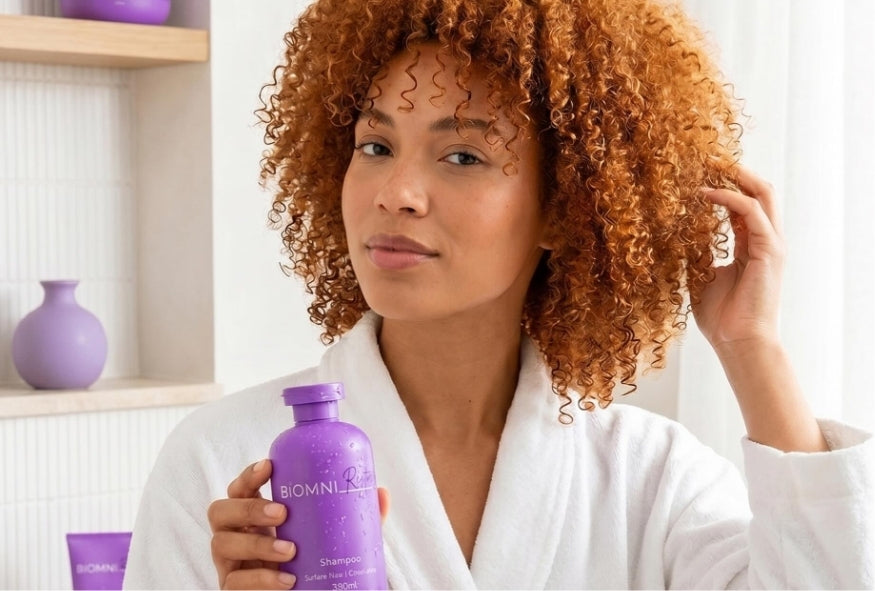
Founded By Dezi Santiago
Built by a master stylist for the textures most brands treat as an afterthought.
Shop Now
Not Sure Where to Start?
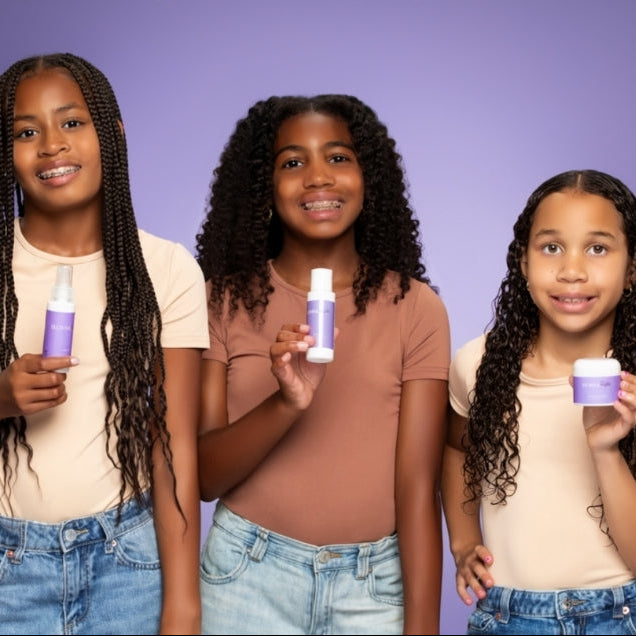
Three travel minis, same formulas. Test it on your hair before committing to full size.
Shop the Minis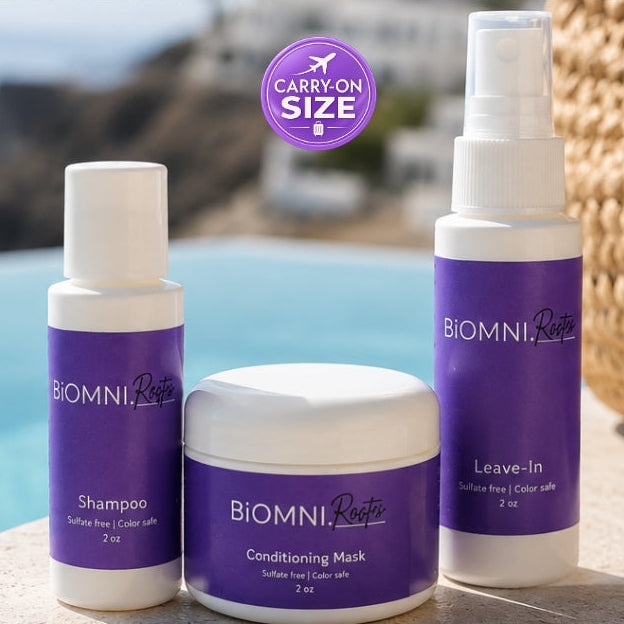
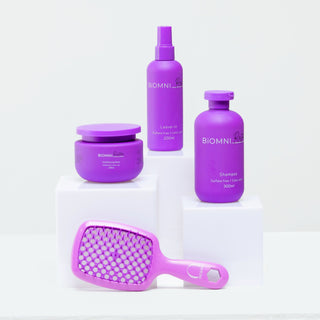
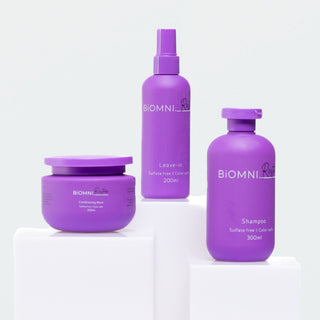
The complete routine
Follow the 3-step routine for visible, long-lasting results.
 Shampoo ×2
 Mask
Mask Leave-In
Cleanse. Hydrate. Strengthen.
Cleans without stripping. Low lather, no squeak, no tight scalp after wash day.
$38.00
Shop Shampoo
Melts through tangles in the shower. Rinses clean with no waxy film left behind.
$46.00
View product
Maximum slip for detangling. Seals in moisture, no cast, no crunch.
$28.00
View productExperience the complete BiOMNI routine with our curated bundles—designed to work seamlessly together for optimal results.
The Restore Routine
Softer hair and easier detangling show up in the first few washes. Real change, strength, elasticity, moisture that lasts past day two, takes eight to twelve weeks of using the same three products consistently.
That is not a marketing timeline, it is how hair works. Which is why BiOMNI is built to arrive before you run out, not after.
Most people start with the full 3-step routine every 4 weeks. Change the frequency any time from your account.
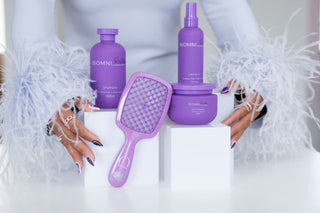

Hydrate, Soften and Strengthen Coils for Lasting Moisture, Definition and Elasticity
BiOMNI Transformations
Define, Enhance and Nourish Natural Curls
BiOMNI Transformations
Enhance, Define and Elevate Natural Wave Textures
BiOMNI Transformations
Strengthen, Protect and Restore Radiance
BiOMNI Transformations
Nourish, Polish and Tame Thick Strands
BiOMNI Transformations
Strengthen, Amplify and Increase Visibility
BiOMNI Transformations
Revive, Strengthen and Restore Straight Strands
BiOMNI Transformations Shop All
“As a stylist, I’ve tried countless hair care lines—nothing compares to BiOMNI. The shampoo cleanses without stripping, the mask delivers rich moisture without weight, and the Detangle Brush is a total game changer. My clients’ hair feels soft, nourished, and healthy every time. I’m officially obsessed.”– Kianna Todd, Stylist/Salon Owner & BiOMNI Pro

“As a stylist, I’m picky—especially when it comes to products for my color clients. BiOMNI has been a dream. It protects the integrity of the hair, keeps it soft post-blowout, and doesn’t dull the tone or vibrancy. My clients leave with shine, bounce, and a whole new attitude. I’m hooked.”– D. Crain, Stylist and BiOMNI Pro

“In 10 years as a stylist, I’ve tried countless deep conditioners—BiOMNI stands out. It’s rich, silky, and leaves hair soft, hydrated, and visibly stronger without buildup. The jasmine scent is a bonus. It’s a staple in my salon and my clients’ routines.”– Jacqlyn Ford, Salon Owner and BiOMNI Pro

“Honestly, I thought dull, flat hair was just my reality—then BiOMNI came along. Now I’ve got shine, movement, and a whole new vibe. Clearly, I was mistaken. Thank you, BiOMNI, for proving me wrong in the best way.”– Lindsay, Los Angeles, CA

“So I’m a curly girl and my hair tangles no matter what—well, until I met BiOMNI’s Restore Mask and THAT Brush. It's THAT Brush for ME!”– Brandy

“My ends used to feel brittle no matter how much I deep-conditioned. Since using BiOMNI, I’ve noticed a huge difference. My hair looks smoother, feels softer, and the dryness is finally under control. It’s become a non-negotiable in my routine.”– Suze Dehko, Birmingham, MI

“My hair is super coarse and kinky, so I usually have to pile on oil and creams just to keep it from drying out. But ever since I started using the BiOMNI mask, I don’t need all that. It keeps my hair soft and moisturized. I travel a lot for work, so having multiple products can be a hassle. I have cut my hair routine down to 1 product and it has been crucial. I’m locked in!!”– Marv XXL, Atlanta, GA